About the project
The Learning Variability Network Exchange (LEVANTE) seeks to understand how children grow, learn, and develop across different times, places, and contexts so that they can be supported to thrive in the multitude of experiences they will encounter throughout life. It brings together researchers from around the world to create the first cross-cultural, multidisciplinary open dataset aiming to capture the richness and diversity of child development and learning.
Dimensions of variability
Explore variability in children’s learning and development
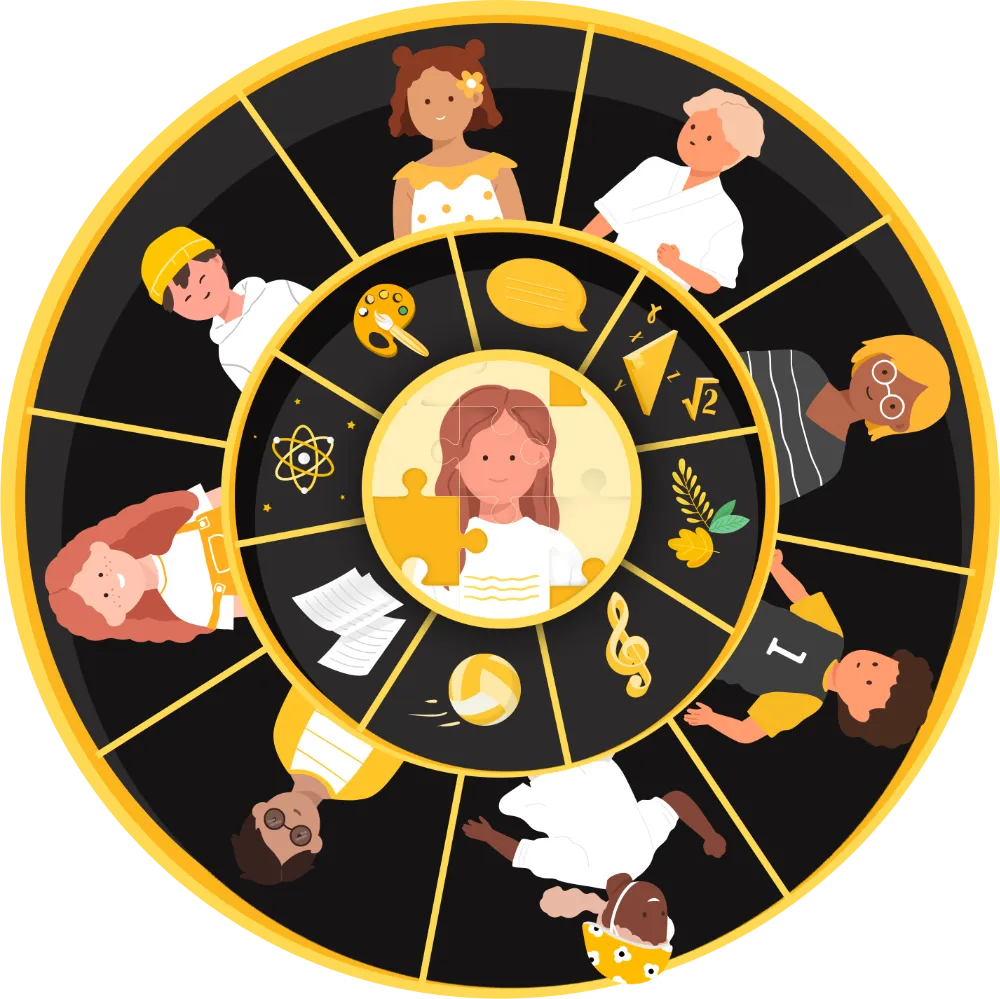
Learning variability is a hallmark of children’s day-to-day lives – encompassing variability within their own behavior, both within and across functional areas; diversity within the peer learning groups to which they belong; and variability in the contexts they encounter each day. Variability is therefore the norm, rather than the exception. In order for children to reach their full potential, we need to shift the focus from group means to variability, across its different dimensions.
The LEarning VAriability NeTwork Exchange (LEVANTE) aims to improve our knowledge about the complexities of developmental variability and its impact on learning outcomes. It will furthermore allow a better understanding of the predictors of variability, processes that underlie variability, consequences of variability, and implications for interventions with children.
The different dimensions of learning variability
Learning variability is central to children’s lives, affecting their behavior, peer group dynamics, and learning outcomes.
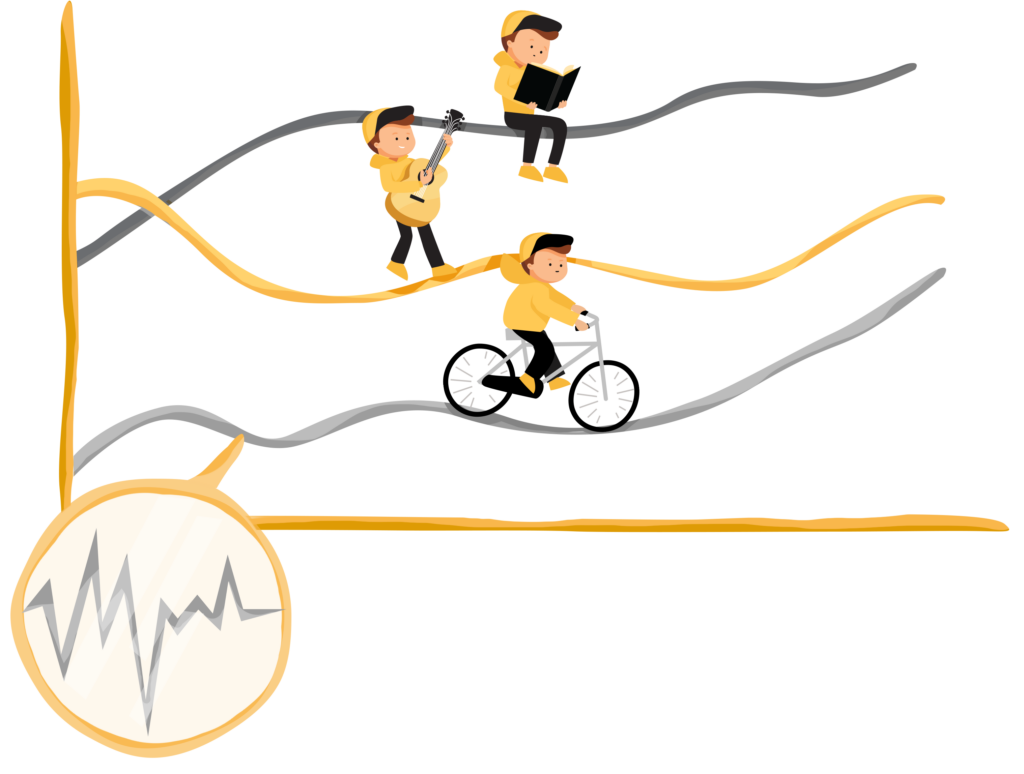
Understanding variation within and across skills and behaviors over time
Children behave inconsistently over time and across skills; why is this, and how can it be influenced productively? Their behaviors change not only with development, but also within much shorter timeframes, from months to weeks or even within a few hours. Why do children show inconsistent behavior, skills, knowledge, and characteristics from one time point to the next? What are the explanations for such variability, and what is its developmental purpose? Given the complexity of these within-person variations, how can educators, parents, or caregivers know what a particular child needs in a particular moment?
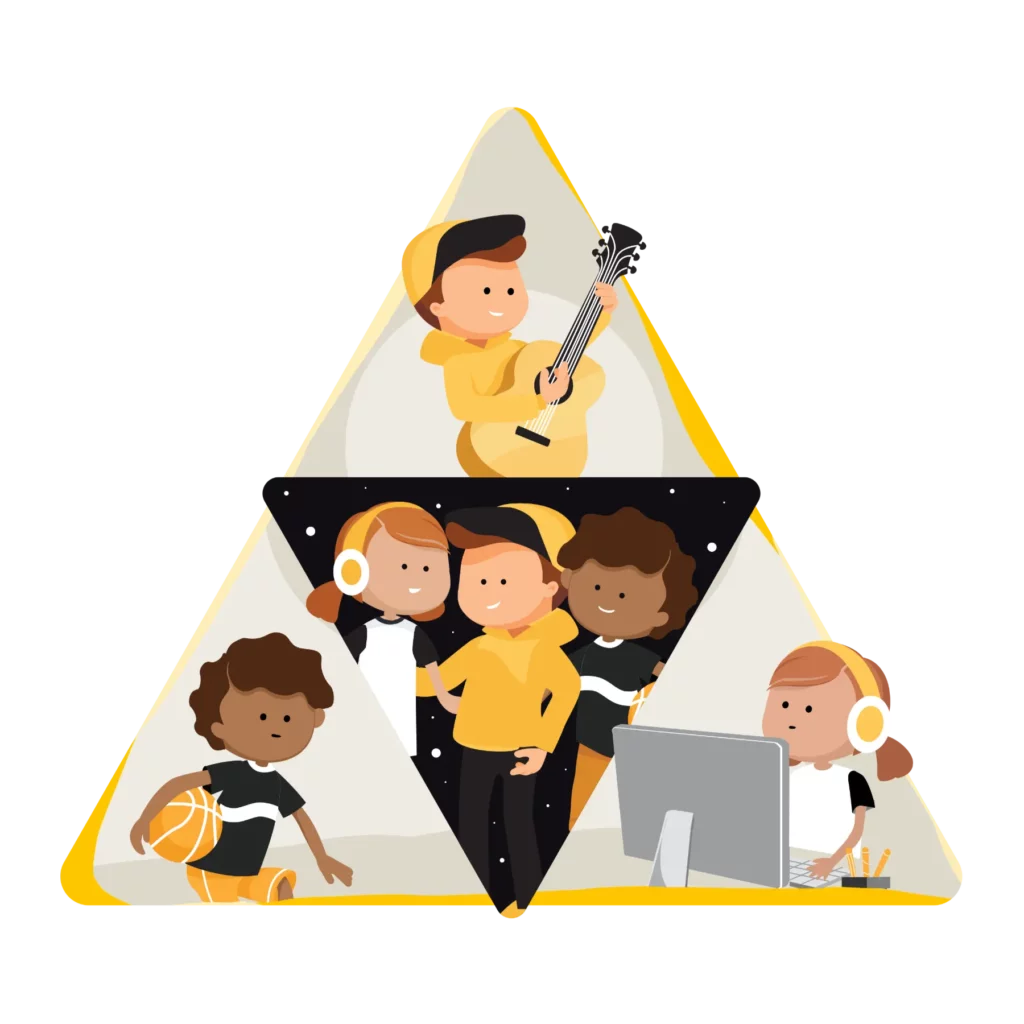
Embracing heterogeneity in learning groups
Children spend much of their time learning in social groups such as in daycare settings, classrooms, and formal or informal out-of-school learning experiences. Each child brings their own unique needs and experiences to these groups, which then influence how they learn and participate. How can education systems be designed so that instruction meets the needs of heterogeneous groups of children? How can group instruction in social environments, like classrooms, both cater to the needs of individual students and take advantage of learning variability for improved learning for all?
Preparing children to successfully navigate and thrive through contexts and time
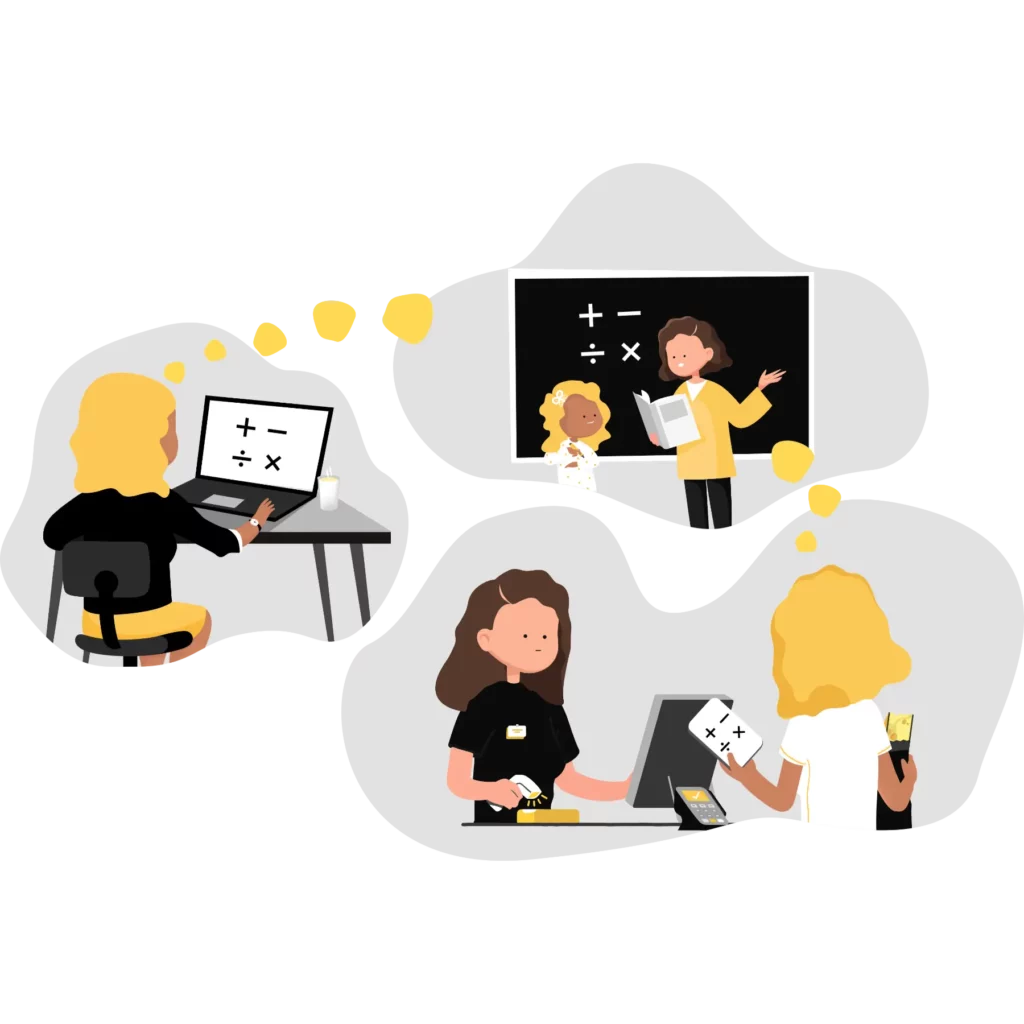
Children encounter many learning contexts throughout their day – home, math class, playground – and they are expected to navigate successfully within each context. Multiplying the number of contexts over years and decades, children need to be equipped with the ability to adapt to and shape the different contexts surrounding them. This adaptive flexibility becomes therefore instrumental to their long-term success. What are the skills, behaviors, knowledge, and characteristics that prepare children to learn in future contexts? How might environments be described so that we may better understand how to facilitate children’s successful adaptation within and across them? How can and should the child’s present learning benefit their future learning?